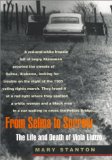
Freedom Walk: Mississippi or Bust
No reviews yet.
In 1963, the streams of religious revival, racial strife, and cold-war politics were feeding the swelling river of social unrest in America. Marshaling massive forces, civil rights leaders were primed for a widescale attack on injustice in the South. By summer the conflict rose to great intensity as blacks and whites clashed in Birmingham.
Outside the massive drive, Bill Moore, a white mail carrier, had made his own assault a few months earlier. Jeered and assailed as he made a solitary civil rights march along the Deep South highways, he was ridiculed by racists as a "crazy man." His well publicized purpose: to walk from Chattanooga to Jackson and hand-deliver a plea for racial tolerance to Ross Barnett, the staunchly segregationist governor of Mississippi. On April 23, on a highway near Attalla, Alabama, this lone crusader was shot dead.
Although he was not a nobly ideal figure handpicked by shapers of the movement, inadvertently he became one of its earliest martyrs and, until now, part of an overlooked chapter in the history of the civil rights movement.
Floyd Simpson, a grocer and member of the Gadsden, Alabama, chapter of the Ku Klux Klan, was charged with Moore's murder.
A week later a white college student named Sam Shirah led five black and five white volunteers into Alabama to finish Moore's walk. They were beaten and jailed. Four other attempts to complete the postman's quest were similarly stymied.
Moore had kept a journal that detailed his goal. Using it, along with interviews and extensive newspaper and newsreel reports, Mary Stanton has documented this phenomenal freedom walk as seen through the eyes of Moore, Shirah, and the gunman, the three protagonists.
Though all shared a deep love of the South, their strong feelings about who was entitled to walk its highways were in deadly conflict.